Keto Intermittent Fasting Meal Plan PDF: An Overview (12/10/2025)
Today’s date is December 10th, 2025. Discover comprehensive guides, 16/8 plans, and resources for keto and intermittent fasting success; downloadable PDF meal plans are available!
Explore keto-friendly recipes, meal planning tips, and acceleration programs, alongside guidance for women over 40, and insights into popular diet trends.
Keto and intermittent fasting (IF) have emerged as powerful dietary strategies, often pursued together for synergistic benefits. The ketogenic diet fundamentally shifts the body’s metabolic state, forcing it to utilize fat for fuel instead of carbohydrates. This is achieved through drastically reducing carbohydrate intake and increasing healthy fat consumption.
Intermittent fasting, conversely, focuses on when you eat, rather than what you eat. It involves cycling between periods of eating and voluntary fasting on a regular schedule. Popular methods include the 16/8 method – fasting for 16 hours and eating within an 8-hour window – and the 5:2 diet, involving normal eating for five days and restricting calories for two.
Combining these two approaches – a keto intermittent fasting meal plan – can amplify fat loss, improve insulin sensitivity, and enhance overall metabolic health. This guide provides a detailed overview, sample plans, and resources to help you navigate this effective lifestyle change, including access to convenient PDF resources.
Benefits of Combining Keto and Intermittent Fasting
Synergistically, combining a keto diet with intermittent fasting unlocks a multitude of health advantages beyond those achieved with either approach alone. The keto diet’s metabolic shift to fat utilization is amplified by IF, accelerating fat loss and promoting efficient weight management. This pairing also significantly enhances insulin sensitivity, crucial for blood sugar control and reducing the risk of type 2 diabetes.
Furthermore, keto-IF can boost cognitive function, improve energy levels, and promote cellular repair through autophagy – a process where the body cleans out damaged cells. Many individuals report reduced cravings and improved appetite control, simplifying adherence to a healthy eating pattern. A well-structured keto intermittent fasting meal plan, often available as a convenient PDF, streamlines this process.
Ultimately, this combination offers a powerful pathway to optimize metabolic health, achieve sustainable weight loss, and enhance overall well-being.
Understanding the Keto Diet
The ketogenic diet prioritizes high-fat, moderate-protein, and very-low-carbohydrate intake, shifting the body’s metabolism to utilize fat for energy instead of glucose.
Macronutrient Breakdown for Keto
Achieving and maintaining ketosis requires a precise macronutrient ratio. Generally, the ketogenic diet consists of approximately 70-80% of calories from fat, 20-25% from protein, and a very limited 5-10% from carbohydrates. This translates to roughly 80-100 grams of fat, 75-100 grams of protein, and only 20-50 grams of net carbohydrates per day, though individual needs vary.
Calculating these percentages accurately is crucial for success. Net carbs are determined by subtracting fiber from total carbohydrates, as fiber isn’t digested and doesn’t impact blood sugar levels significantly. Monitoring macronutrient intake using food tracking apps or journals is highly recommended, especially when starting a keto intermittent fasting meal plan.
Adjustments may be necessary based on activity level, metabolic rate, and individual responses to the diet.
Foods to Eat on a Keto Diet
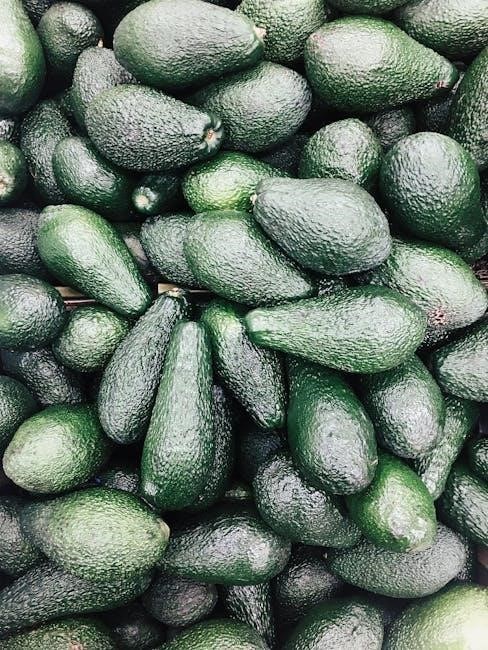
Embrace a diet rich in healthy fats, moderate protein, and very low carbohydrates. Excellent choices include meats like beef, pork, and poultry, as well as fatty fish such as salmon and mackerel. Eggs are a versatile and nutritious staple. Non-starchy vegetables – spinach, kale, broccoli, and cauliflower – provide essential vitamins and fiber with minimal carb impact.
Healthy fats are key; avocados, olive oil, coconut oil, and nuts (almonds, walnuts, macadamia) are fantastic additions. Dairy can be included in moderation, opting for full-fat options like cheese and heavy cream. When following a keto intermittent fasting meal plan, these foods support satiety and energy levels during fasting windows.
Prioritize whole, unprocessed foods for optimal health benefits.
Foods to Avoid on a Keto Diet
Strictly limit carbohydrate intake to maintain ketosis. This means eliminating grains – wheat, rice, corn, and oats – as well as sugary foods and drinks like soda, juice, and candy. Most fruits are high in carbs and should be avoided, with small portions of berries being an occasional exception.
Starchy vegetables such as potatoes, sweet potatoes, and peas are also off-limits. Legumes like beans and lentils contain significant carbohydrates. Processed foods, often loaded with hidden sugars and unhealthy fats, should be minimized. When implementing a keto intermittent fasting meal plan, avoiding these foods is crucial for success.
Be mindful of “keto-friendly” products, as some may contain hidden carbs or unhealthy ingredients.

Understanding Intermittent Fasting
Intermittent fasting cycles between periods of eating and voluntary fasting, offering benefits beyond diet; explore schedules like 16/8 and 5:2 for optimal results!
Popular Intermittent Fasting Schedules (16/8, 5:2)
Intermittent fasting (IF) isn’t a diet, but rather an eating pattern. Several schedules exist, each offering unique benefits and fitting different lifestyles. The 16/8 method is arguably the most popular, involving a daily 16-hour fast followed by an 8-hour eating window. This is often achieved by skipping breakfast and consuming meals between noon and 8 PM.
Another approach is the 5:2 diet, where you eat normally for five days of the week and restrict calorie intake to 500-600 calories on the remaining two non-consecutive days. This method can be more challenging but offers flexibility. When combined with a keto diet, these schedules can amplify fat burning and metabolic benefits. Choosing the right schedule depends on individual preferences and goals, ensuring sustainability and adherence for long-term success.
Benefits of Intermittent Fasting
Intermittent fasting (IF) offers a range of health benefits beyond weight management. It can enhance insulin sensitivity, allowing your body to utilize glucose more effectively, crucial when following a keto diet. IF promotes cellular repair through a process called autophagy, removing damaged cells and potentially reducing the risk of chronic diseases.
Furthermore, it can boost brain health by increasing the production of brain-derived neurotrophic factor (BDNF), supporting cognitive function and protecting against neurodegenerative diseases. Combining IF with a keto lifestyle may amplify these effects, leading to improved metabolic health, increased energy levels, and enhanced focus. It’s a powerful tool for optimizing overall well-being and achieving fitness goals.
Who Should Avoid Intermittent Fasting?
Intermittent fasting (IF) isn’t suitable for everyone. Individuals with a history of eating disorders should avoid IF, as it may trigger unhealthy patterns. Pregnant or breastfeeding women require consistent nutrient intake for fetal and infant development, making IF inadvisable.
People with diabetes, especially those on medication, should consult their doctor before starting IF, as it can significantly impact blood sugar levels. Those with adrenal fatigue or chronic stress may find IF exacerbates their symptoms. Individuals taking certain medications should also seek medical advice to ensure IF won’t interfere with their treatment. Prioritizing individual health and safety is paramount before adopting any new dietary approach.

Creating Your Keto Intermittent Fasting Meal Plan
Crafting a personalized plan involves calculating calorie and macro needs, strategically timing meals within your chosen fasting window, and prepping keto-friendly options.
Calculating Your Calorie and Macro Needs
Determining your individual needs is crucial for success with a keto intermittent fasting meal plan. Begin by calculating your Basal Metabolic Rate (BMR), the number of calories your body burns at rest. Online calculators can assist with this, requiring your age, sex, height, and weight.
Next, factor in your activity level – sedentary, lightly active, moderately active, or very active – to determine your Total Daily Energy Expenditure (TDEE). To initiate weight loss, aim for a calorie deficit of 500-750 calories per day.
For keto, macronutrient ratios are key: typically 70-80% of calories from fat, 20-25% from protein, and 5-10% from carbohydrates. Adjust these ratios based on your individual response and goals. Tracking your intake using a food diary or app is highly recommended for accuracy.
Meal Timing and Window Selection
Choosing the right eating window is vital for a successful keto intermittent fasting approach. The popular 16/8 method involves fasting for 16 hours and consuming all meals within an 8-hour window. Consider your lifestyle and schedule when selecting your window; for example, 12 PM to 8 PM.
During your eating window, prioritize nutrient-dense, keto-friendly meals. Focus on incorporating healthy fats, moderate protein, and minimal carbohydrates. Spacing meals evenly throughout your window can help maintain stable energy levels and prevent excessive hunger.
Experiment with different window timings to find what best suits your body and preferences. Consistency is key, so choose a schedule you can realistically maintain long-term; Remember to stay hydrated throughout both your fasting and eating periods.

Sample 7-Day Keto Intermittent Fasting Meal Plan (16/8)
Embark on a transformative week! This 16/8 plan features daily keto meals, like Cobb salads and scrambled eggs, alongside helpful recipes for optimal results.
Day 1: Meal Plan & Recipes
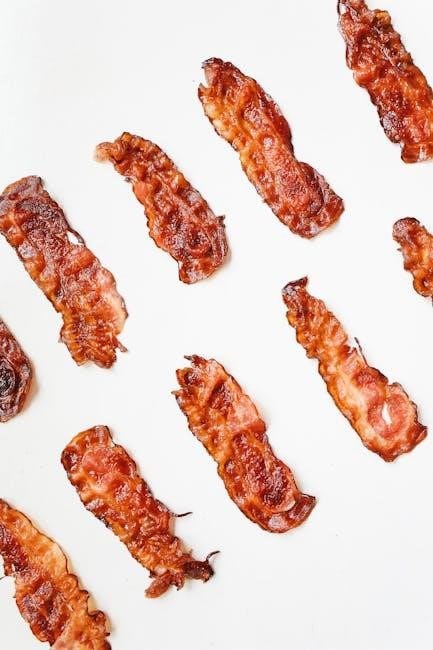
Welcome to Day 1 of your 16/8 Keto Intermittent Fasting journey! Your eating window is from 12:00 PM to 8:00 PM. Begin with a satisfying Cobb salad for lunch, brimming with hard-boiled eggs, creamy avocado, crispy bacon, and tangy blue cheese. This provides healthy fats and protein to keep you feeling full and energized.
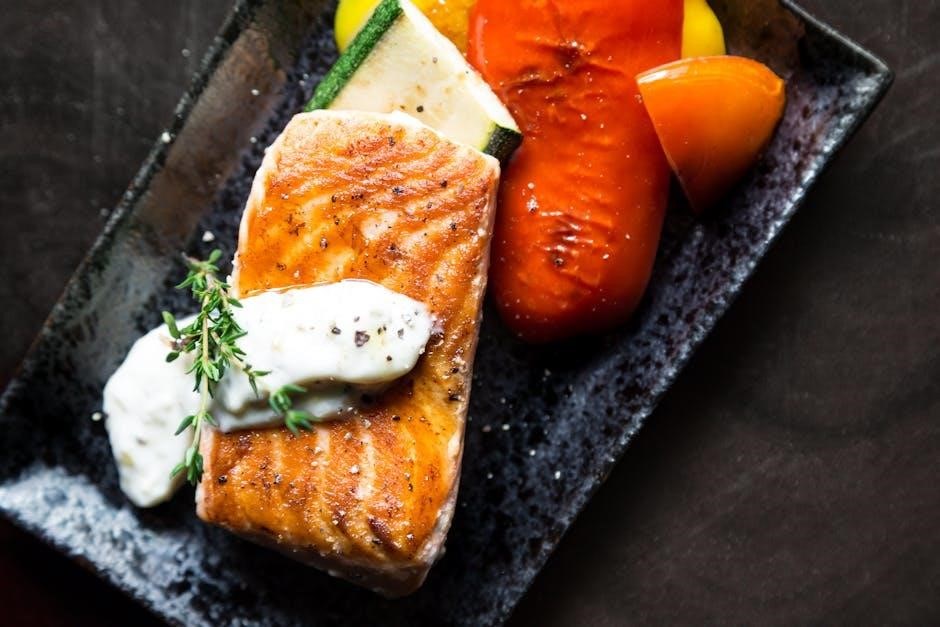
For a mid-afternoon snack, enjoy a small handful of almonds – approximately 1/4 cup – to curb any cravings and provide essential nutrients. As your eating window nears its close, prepare a delicious keto-friendly dinner; Consider baked salmon with roasted asparagus, seasoned with herbs and a drizzle of olive oil.
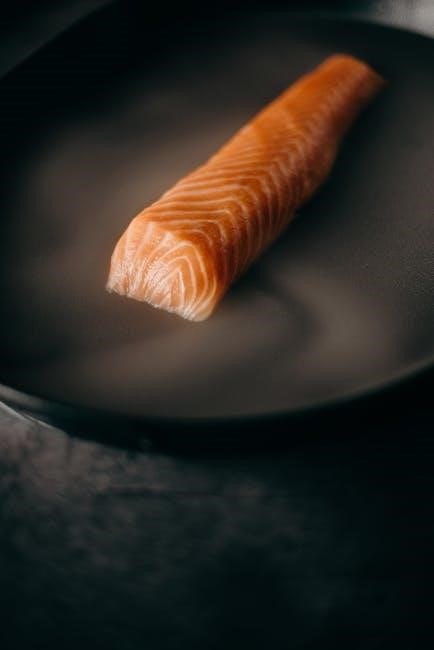
Recipe: Baked Salmon & Asparagus – Preheat oven to 400°F; Season salmon fillet and asparagus with salt, pepper, and garlic powder. Bake for 12-15 minutes. Remember to stay hydrated throughout the day with plenty of water!
Day 2: Meal Plan & Recipes
Day 2 focuses on simplicity and preparation! Maintain your 12:00 PM – 8:00 PM eating window. Kickstart your day with a keto-friendly breakfast – scrambled eggs with spinach and cheese. If you aren’t feeling hungry, that’s perfectly acceptable; skip breakfast and wait for your lunch window.
For lunch, prepare a hearty chicken salad lettuce wrap. Combine cooked chicken, mayonnaise, celery, and seasonings, then serve in crisp lettuce cups. A mid-afternoon snack of celery sticks with cream cheese will provide a satisfying crunch and healthy fats.
Dinner should be a flavorful ground beef and broccoli stir-fry, using coconut aminos instead of soy sauce for a keto-approved flavor. Recipe: Beef & Broccoli Stir-fry – Brown ground beef, add broccoli florets and coconut aminos, and stir-fry until tender.
Day 3: Meal Plan & Recipes
Day 3 emphasizes variety and sustained energy! Continue with the 12:00 PM – 8:00 PM eating window. Begin your eating period with a satisfying salmon and avocado salad. Flake cooked salmon and combine with diced avocado, lemon juice, and a sprinkle of dill.
Lunch features a Cobb salad – a colorful mix of hard-boiled eggs, avocado, bacon, blue cheese, and your favorite keto-friendly greens. A small handful of almonds serves as a perfect afternoon snack, providing healthy fats and protein to curb cravings.
For dinner, enjoy a baked chicken thigh with roasted asparagus. Recipe: Baked Chicken & Asparagus – Season chicken thighs and asparagus with olive oil, salt, and pepper, then bake until cooked through.
Day 4: Meal Plan & Recipes
Day 4 focuses on simplicity and flavor within your 12:00 PM – 8:00 PM eating window. Start with a hearty omelet filled with spinach, mushrooms, and cheese – a classic keto breakfast alternative when breaking your fast. Ensure ample healthy fats are included for sustained energy.
Lunch consists of ground beef and cauliflower rice stir-fry. Sauté ground beef with your favorite keto-friendly vegetables and season with soy sauce (or coconut aminos for a paleo option). A small serving of macadamia nuts provides a satisfying afternoon boost.
Dinner features pork chops with green beans. Recipe: Simple Pork Chops & Green Beans – Season pork chops and green beans, then pan-fry or bake until cooked through.
Day 5: Meal Plan & Recipes
Day 5 emphasizes protein and healthy fats to maintain satiety during your 16/8 fasting schedule. Begin your eating window with scrambled eggs cooked in coconut oil, alongside a side of avocado slices – a perfect keto-friendly breakfast. Prioritize nutrient density to fuel your day effectively.
For lunch, enjoy a Cobb salad featuring hard-boiled eggs, avocado, bacon, and blue cheese. This provides a delicious mix of textures and flavors while adhering to keto guidelines. A handful of almonds offers a convenient and satisfying snack.
Dinner centers around baked salmon with asparagus. Recipe: Lemon-Herb Salmon & Asparagus – Season salmon and asparagus with lemon juice, herbs, and bake until flaky and tender.
Day 6: Meal Plan & Recipes
Day 6 focuses on variety and flavor while remaining strictly keto-compliant. Kickstart your eating window with a creamy spinach and feta omelet, providing a boost of energy and essential nutrients; This breakfast is quick to prepare and incredibly satisfying.
Lunch features a hearty chicken salad lettuce wrap. Recipe: Keto Chicken Salad – Combine cooked chicken, mayonnaise, celery, and seasonings; serve in crisp lettuce cups. This offers a light yet filling midday meal.
For dinner, indulge in ground beef and broccoli stir-fry. Recipe: Keto Beef & Broccoli – Sauté ground beef with broccoli florets in a soy sauce alternative and sesame oil. Ensure minimal carb content in your sauce selection.
Day 7: Meal Plan & Recipes
Day 7 concludes the week with delicious and sustaining keto meals. Begin your eating window with scrambled eggs and avocado, a classic keto breakfast providing healthy fats and protein for sustained energy. A simple yet effective start to the day!
Lunch consists of a Cobb salad, a vibrant and flavorful option. Recipe: Keto Cobb Salad – Combine hard-boiled eggs, avocado, bacon, blue cheese, and a keto-friendly dressing over a bed of lettuce. A satisfying and nutrient-rich meal.
Dinner features salmon with roasted asparagus. Recipe: Keto Salmon & Asparagus – Bake salmon fillets seasoned with herbs and spices alongside roasted asparagus spears. A healthy and delicious way to end the week!

Keto-Friendly Meal Ideas
Explore diverse options! Enjoy scrambled eggs for breakfast, Cobb salads for lunch, salmon with asparagus for dinner, and almonds as a convenient snack.
Breakfast Options
Kickstart your keto day with delicious and satisfying breakfasts! Scrambled eggs, a cornerstone of many keto plans, offer versatility and protein. Consider adding cheese, spinach, or bacon for enhanced flavor and fat content. Avocado and egg combinations are also excellent, providing healthy fats and essential nutrients.
For those preferring a quicker option, bulletproof coffee – coffee blended with MCT oil and butter – can provide sustained energy. Keto smoothies, utilizing unsweetened almond milk, protein powder, and berries (in moderation), are another convenient choice. Remember to prioritize healthy fats and moderate protein to maintain ketosis. If you aren’t hungry during your eating window, skipping breakfast is perfectly acceptable!
Explore variations like egg muffins with vegetables or cream cheese pancakes made with almond flour for added variety.
Lunch Options
Fuel your afternoon with keto-friendly lunches that keep you satisfied and on track! A Cobb salad, brimming with hard-boiled eggs, avocado, bacon, and blue cheese, is a fantastic choice, offering a delightful mix of flavors and textures. Alternatively, a large leafy green salad with grilled chicken or salmon provides lean protein and healthy fats.
Consider tuna or chicken salad made with mayonnaise (preferably avocado oil-based) and served in lettuce wraps instead of bread. Cauliflower rice bowls topped with your favorite protein and vegetables are another excellent option. Don’t forget to incorporate healthy fats like olive oil or avocado.
Leftovers from dinner also make convenient and keto-compliant lunches, simplifying meal prep and reducing food waste.
Dinner Options
Conclude your day with satisfying and nourishing keto dinners! Baked salmon with roasted asparagus is a classic, providing omega-3 fatty acids and essential nutrients. Ground beef and broccoli stir-fry, seasoned with soy sauce (or coconut aminos for a paleo option) and ginger, offers a flavorful and quick meal.
Chicken thighs roasted with herbs and served alongside a side of cauliflower mash are another excellent choice. Consider steak with a side of sautéed spinach or green beans. Ensure your dinners prioritize healthy fats and moderate protein, keeping carbohydrate intake minimal.
Utilize leftover proteins from lunch to streamline dinner preparation. Remember to focus on whole, unprocessed foods for optimal health benefits.
Snack Options
Bridge the gap between meals with these keto-friendly snack ideas! A handful of almonds or macadamia nuts provides healthy fats and a satisfying crunch. Cheese slices or string cheese are quick and convenient options, delivering protein and calcium. Celery sticks with cream cheese or guacamole offer a refreshing and low-carb snack.
Hard-boiled eggs are a protein powerhouse, keeping you feeling full and energized. Avocado slices sprinkled with sea salt are a delicious and nutrient-rich choice. Consider pork rinds for a salty and crunchy alternative to chips.
Remember to keep snack portions small to avoid disrupting ketosis. Prioritize whole, unprocessed snacks to maximize nutritional benefits and minimize hidden carbs.
Tips for Success
Stay hydrated, balance electrolytes, and manage cravings! Consistent water intake, sodium/potassium/magnesium supplementation, and mindful eating are crucial for optimal results.
Staying Hydrated
Maintaining adequate hydration is paramount when following a keto intermittent fasting meal plan. The ketogenic diet naturally has a diuretic effect, increasing water loss through urine. Intermittent fasting further concentrates electrolytes, exacerbating dehydration risks. Aim for at least eight glasses of water daily, and potentially more depending on activity levels and climate.
Consider adding electrolyte-rich beverages or supplements. Plain water alone isn’t always sufficient. Bone broth, coconut water, or electrolyte powders can help replenish lost minerals. Dehydration can manifest as fatigue, headaches, and muscle cramps, hindering your progress. Proactive hydration supports energy levels, cognitive function, and overall well-being throughout your fasting and keto journey. Listen to your body and drink when thirsty!

Electrolyte Balance
Electrolyte imbalances are a common side effect of combining keto and intermittent fasting. The keto diet reduces insulin levels, signaling the kidneys to excrete more sodium. Intermittent fasting further depletes electrolytes as you consume fewer meals. Key electrolytes to monitor include sodium, potassium, and magnesium.
Symptoms of electrolyte deficiency include fatigue, muscle cramps, headaches, and heart palpitations. Supplementing with electrolytes is often necessary. Sodium can be increased through salting food liberally. Potassium-rich foods include avocados and spinach. Magnesium supplements (glycinate or citrate) are well-absorbed. Prioritize electrolyte intake, especially during the initial adaptation phase, to mitigate the “keto flu” and maintain optimal performance.
Managing Hunger and Cravings
Hunger and cravings are significant hurdles when starting a keto intermittent fasting plan. During the initial stages, your body adjusts to burning fat for fuel, which can trigger hunger pangs. Intermittent fasting amplifies this effect by restricting eating windows. Prioritize nutrient-dense, keto-friendly foods to promote satiety.
Strategies for managing hunger include increasing fat intake, consuming adequate protein, and staying hydrated. Healthy fats like avocado and olive oil are filling. Protein helps stabilize blood sugar. Drinking plenty of water can curb appetite. Address cravings by identifying triggers and finding keto-approved alternatives. Distraction techniques and mindful eating can also be beneficial. Remember, consistency is key!
Resources & PDF Download
Find keto recipes online and explore printable meal plan PDFs for easy implementation. Acceleration programs and diet guides are readily available for support!
Where to Find Keto Recipes
Numerous online platforms offer a wealth of ketogenic recipes tailored for intermittent fasting success. Websites dedicated to keto diets frequently feature extensive recipe collections, categorized by meal type – breakfast, lunch, dinner, and snacks – simplifying your meal planning process.
Beyond dedicated keto sites, general recipe websites often include filters allowing you to specifically search for ketogenic options. Social media platforms like Pinterest and Instagram are also excellent sources, showcasing visually appealing keto meals and linking to recipe blogs.
Don’t overlook the potential of online communities and forums focused on keto and intermittent fasting; members often share their favorite recipes and provide valuable feedback. Consider exploring recipe books specifically designed for the keto diet, offering a curated selection of proven recipes. Remember to always verify nutritional information to ensure alignment with your macro goals.
Finding Printable Meal Plan PDFs
Locating printable Keto Intermittent Fasting meal plan PDFs streamlines your dietary adherence. Many websites specializing in ketogenic diets offer downloadable meal plans, often categorized by duration – 7-day, 14-day, or 30-day plans – and fasting schedule (e.g., 16/8, 5:2).
A simple online search using keywords like “keto intermittent fasting meal plan PDF” will yield numerous results. Explore platforms like Diet Doctor, Perfect Keto, and Ruled.me, known for their comprehensive keto resources and printable plans.
Pinterest also serves as a valuable resource, with numerous pins linking to free downloadable PDFs. When selecting a plan, ensure it aligns with your calorie and macronutrient needs, and consider your personal preferences. Always review the recipes included to confirm they are keto-friendly and suit your taste.