
Zone 8 Planting Guide: Flowers ⎼ A Comprehensive Plan
Zone 8 gardeners enjoy a long growing season, enabling diverse flower choices for continuous blooms; this guide details optimal times for planting various flower varieties.
Understanding Zone 8 & Its Impact on Flower Planting
Zone 8, characterized by mild winters and warm summers, presents a unique opportunity for flower enthusiasts. The extended growing season—typically from March to November—allows for multiple plantings and prolonged bloom periods. Understanding your local frost dates within Zone 8 is crucial; these dates dictate when it’s safe to transplant seedlings outdoors and directly sow seeds.

This zone’s climate supports both annuals, offering quick seasonal color, and perennials, providing long-lasting beauty. Successful flower planting hinges on considering each plant’s hardiness and growth speed. Some varieties thrive with autumn planting for spring blooms, while others flourish when sown in late spring or early summer. Careful planning, aligned with these factors, ensures a vibrant and continuously flowering garden throughout the year.
First Bloom Times in Zone 8
In Zone 8, the anticipation of spring blooms begins remarkably early. Poppies and larkspur, when autumn-planted, reward gardeners with vibrant displays as early as April. Rudbeckia hirta, commonly known as Black-Eyed Susan, reliably graces gardens with cheerful blooms in June, marking the transition into summer’s full flowering potential.
However, bloom times are not fixed; they’re influenced by specific varieties and weather patterns. Modern perennial varieties often exhibit extended bloom periods, stretching from May through October, offering eight weeks or more of continuous color. Careful selection, considering these varying timelines, allows for succession planting, ensuring a garden brimming with flowers throughout the entire growing season. Monitoring local conditions is key to maximizing bloom potential.
Annual Flowers for Zone 8: Quick Color
Zone 8’s extended warmth allows for a generous selection of annuals providing rapid color. Scatter seeding flower seeds directly into borders is a simple technique; the fine seeds require no covering and germinate quickly, delivering vibrant blooms in early summer. For a head start, begin seeds indoors for okra, squash, cucumber, melons, and watermelons.
Remember that vining crops benefit from being started in individual peat pots. This minimizes root disturbance during transplanting, crucial for their successful establishment. Zone 8’s climate supports a long season for annuals, but understanding specific flowering times—ranging from 55 to 120 days, depending on the variety—is essential for planning a continuous display.
Scatter Seeding Techniques for Annuals
Scatter seeding, ideal for Zone 8’s mild climate, is a remarkably simple method for establishing vibrant annual flower displays. This technique involves broadcasting fine seeds directly onto prepared soil in flower borders, eliminating the need for individual planting. Crucially, these tiny seeds generally don’t require covering; light exposure aids germination.
Success relies on consistent soil moisture following seeding. Gently mist the area to settle the seeds and maintain dampness until seedlings emerge. This method is particularly effective for wildflowers and certain annuals that naturally disperse seeds widely. The rapid growth rate of these plants ensures a colorful bloom in early summer, offering quick gratification for gardeners in warmer regions.
Best Annuals to Start Indoors (Timing)
For Zone 8 gardeners aiming for a head start on the growing season, starting annuals indoors is highly beneficial. While many annuals thrive with direct sowing, some benefit from indoor initiation, particularly those with longer maturation periods. Currently, it’s an excellent time – March 4th, 2026 – to begin sowing seeds indoors for summer blooms.
Excellent choices include okra, squash, cucumber, melons, and watermelons. Starting these indoors allows for larger, more established plants at transplanting, maximizing yields. Remember that vining crops, like cucumbers and melons, are best sown individually in peat pots. This minimizes root disturbance during transplanting, crucial for their delicate root systems, ensuring successful establishment in the garden.
Perennial Flowers for Zone 8: Long-Lasting Beauty
Zone 8’s mild climate is exceptionally well-suited for a wide array of perennial flowers, offering enduring color and beauty year after year. Selecting perennials appropriate for Zones 3-8 expands planting options, ensuring resilience against varying winter conditions. Many modern varieties boast extended bloom periods, often flowering from May through October, providing continuous visual interest for at least eight weeks.
Consider incorporating Astilbe, thriving in Zones 4-8 and reaching heights of 12-36 inches, offering feathery plumes. Foamflower (Tiarella), hardy in Zones 3-8, and Bergenia, also Zones 3-8, are excellent groundcover options. Understanding bloom periods and employing succession planting techniques maximizes color throughout the season, creating a vibrant and dynamic garden landscape.
Perennial Bloom Periods & Succession Planting
Maximizing bloom time in Zone 8 requires understanding perennial flowering schedules and implementing succession planting. Strategically combining plants with staggered bloom periods – spring, summer, and fall – ensures continuous color throughout the growing season. For example, early spring bloomers like Astilbe can be followed by summer-flowering Rudbeckia, and then fall-blooming varieties like certain salvias.
Succession planting also involves replanting or reseeding annuals within perennial beds as they fade, filling gaps and extending the display. Careful planning, considering each plant’s bloom period, is crucial. Perennials typically bloom repeatedly, though the intensity may vary; deadheading spent flowers encourages further flowering and maintains a tidy appearance, prolonging the overall bloom duration.
Hardiness Zones & Perennial Selection (Zones 3-8 examples)
Selecting perennials suited to Zone 8 – and potentially adaptable from neighboring zones – is vital for success. While Zone 8 offers a relatively mild climate, understanding hardiness ratings ensures plant survival. For instance, Foamflower (Tiarella) thrives in Zones 3-8, demonstrating broad adaptability. Bergenia also performs well across Zones 3-8, offering reliable winter interest.
Conversely, some perennials may struggle in Zone 8’s warmer temperatures. When choosing from colder zones (e.g., Zones 2-4), prioritize those with good heat tolerance. Astilbe (Zones 4-8) is a good example, but requires consistent moisture. Always verify a plant’s specific requirements before planting, considering microclimates within your garden.
Specific Flower Varieties for Zone 8
Zone 8 provides an excellent environment for a wide array of flowering plants. Autumn planting of poppies and larkspur is highly recommended, promising vibrant blooms by April. For a June spectacle, Rudbeckia hirta (Black-Eyed Susan) is a reliable choice, offering cheerful, daisy-like flowers. Consider the Alumia Cream Brulee variety, alongside others, noting their flowering times which range from 55 to 120 days, depending on the specific cultivar.
Successful Zone 8 gardening involves understanding bloom periods and selecting varieties for succession planting. This ensures continuous color throughout the growing season. Careful consideration of these specific varieties will maximize your garden’s beauty and extend the flowering display.
Poppies & Larkspur: Autumn Planting for Spring Bloom
For Zone 8 gardeners seeking early spring color, autumn sowing of poppy and larkspur seeds is ideal. This timing allows the plants to establish roots during the cooler months, resulting in a profusion of blooms as temperatures rise. Poppies, known for their delicate, papery petals, and larkspur, with their elegant spires, offer a beautiful contrast in texture and form.
Direct sowing is generally preferred, but ensure good seed-to-soil contact. Expect vibrant displays beginning in April, adding a cheerful touch to the garden after winter. These annuals provide a relatively quick return, making them a rewarding choice for Zone 8’s climate.
Rudbeckia hirta (Black-Eyed Susan): June Bloom
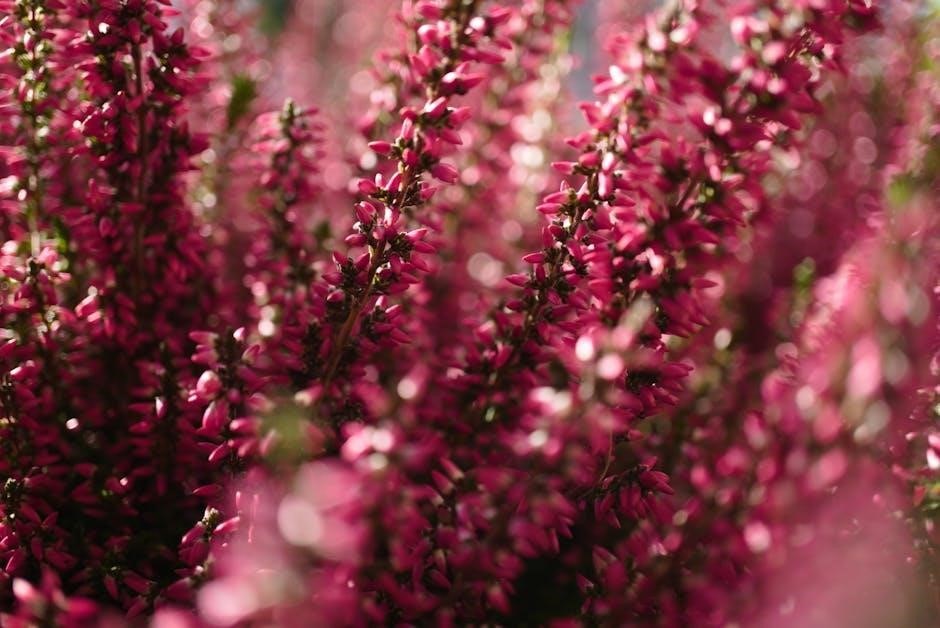
Rudbeckia hirta, commonly known as Black-Eyed Susan, is a reliable and cheerful addition to any Zone 8 garden, consistently delivering vibrant blooms throughout June. These daisy-like flowers boast golden-yellow petals surrounding a prominent dark brown or black central cone, attracting pollinators like bees and butterflies.
Black-Eyed Susans thrive in full sun and well-drained soil. They can be directly sown in spring after the last frost or started indoors 6-8 weeks prior for earlier flowering. Deadheading spent blooms encourages continued production, extending the flowering period well into summer. They are relatively low-maintenance and offer a long-lasting display of color, making them a favorite among gardeners.
Alumia Cream Brulee & Other Varieties: Flowering Time Ranges (55-120 days)
Understanding the flowering time ranges for different Alumia varieties, including the popular ‘Cream Brulee’, is crucial for succession planting in Zone 8. These annuals exhibit a considerable variation in maturity, spanning from approximately 55 to 120 days from sowing to bloom. ‘Cream Brulee’ (Callistephus chinensis) typically falls within the shorter end of this spectrum, offering quicker color.
Calendula officinalis cv. ‘Calypso Orange with Black Center’ leans towards the longer timeframe. This variability allows gardeners to stagger plantings, ensuring a continuous display of blooms throughout the growing season. Starting seeds indoors extends the flowering window, while direct sowing provides later-season color. Careful variety selection and timing are key to maximizing floral abundance.
Planting Charts & Timing Resources for Zone 8 Gardeners
Comprehensive planting charts are invaluable tools for Zone 8 gardeners, streamlining the process of flower cultivation. These resources categorize plants, detailing optimal planting times, transplanting schedules (where applicable), and recommended varieties suited to the region’s climate. Charts often specify planting methods – direct sowing versus starting indoors – maximizing success rates.
Effective charts consider both the last expected frost date and each flower’s individual growth requirements. Online resources and local nurseries frequently offer tailored charts for Zone 8. Utilizing these tools ensures timely sowing and transplanting, leading to a vibrant and prolonged blooming season. Regularly updated charts, like those anticipated for 2025/2026, reflect the latest horticultural insights.
Considering Local Frost Dates
Your specific local frost dates are paramount when planning a flower garden in Zone 8; they dictate the boundaries of your growing season. Knowing the average last spring frost and first fall frost allows for accurate scheduling of both direct sowing and transplanting. Starting seeds indoors requires calculating backwards from the last frost date, ensuring seedlings are adequately hardened off before outdoor planting.
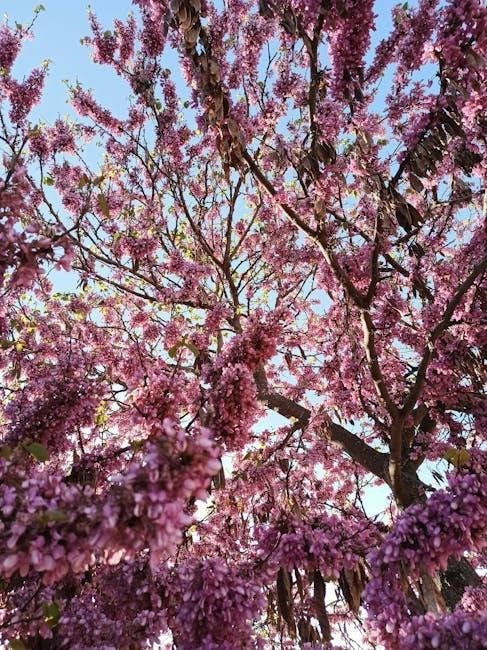
Microclimates within Zone 8 can also influence frost dates, so observing your garden’s specific conditions is crucial. Protecting tender flowers from unexpected late frosts with covers can extend the blooming period. Understanding frost risk, combined with each plant’s hardiness and growth speed, is key to a successful and beautiful flower garden.

Flower Growth Speed & Planting Schedules
Flower growth speed dramatically impacts planting schedules within Zone 8’s extended growing season. Fast-growing annuals, like some poppies and larkspur, can be sown relatively late for summer blooms, while slower-maturing perennials require earlier starts, either indoors or directly sown in autumn. Modern varieties often bloom from May to October, offering extended color.
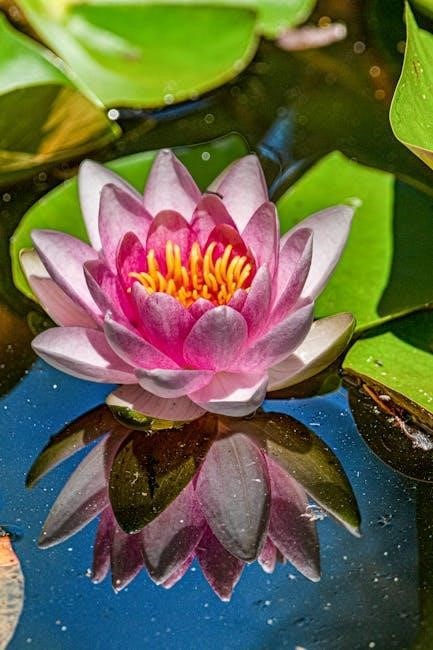
Planning succession plantings – sowing seeds every few weeks – ensures a continuous display throughout the season. Consider bloom periods; some flowers offer long-lasting displays of at least eight weeks. Aligning planting times with each flower’s specific growth rate maximizes bloom potential and creates a vibrant, evolving garden landscape.
Astilbe: A Versatile Perennial (Bloom Time, Zones, Size)
Astilbe is a remarkably versatile perennial, thriving in Zone 8 gardens and offering beautiful, feathery blooms. Its bloom time extends from spring through fall, particularly when planting multiple varieties to stagger flowering periods. This ensures continuous color and visual interest throughout the growing season.
Astilbe is hardy in Zones 4 to 8, making it well-suited to the Zone 8 climate. Plants typically reach a size of 12 to 36 inches tall, depending on the specific cultivar. They prefer partial shade and consistently moist soil, adding a touch of elegance to woodland gardens or shaded borders. Proper placement enhances their vibrant display.
Foamflower (Tiarella) & Bergenia: Zone 8 Options
Foamflower (Tiarella) and Bergenia are excellent perennial choices for Zone 8 gardens, offering unique textures and reliable performance. Both plants are notably hardy, thriving within Zones 3-8, ensuring they can withstand the region’s typical winter conditions and flourish through warmer months.
Foamflower presents delicate, foamy flower spikes above attractive foliage, ideal for woodland or shade gardens. Bergenia, also known as heartleaf, boasts bold, leathery leaves and clusters of pink or magenta flowers in spring. These perennials provide long-lasting beauty and require minimal maintenance once established, making them valuable additions to any landscape.
Multiple Bloom Varieties for Extended Color
Achieving continuous color in a Zone 8 garden requires selecting flower varieties that offer repeat or extended bloom periods. Modern cultivars are specifically bred to bloom from May to October, providing a significantly longer display than traditional single-bloom perennials. Strategically incorporating these varieties ensures a vibrant garden throughout the growing season.
Consider plants like certain types of Astilbe, which, when planted with multiple varieties, can offer blooms from spring through fall. Deadheading spent flowers encourages further blooming in many perennials, extending their visual impact. Succession planting, where new blooms emerge as others fade, is also key to maintaining consistent color and interest.
Transplanting Considerations for Zone 8 Flowers
Successful transplanting is crucial for establishing healthy flowers in Zone 8 gardens. Certain plants, particularly vining crops like squash, cucumbers, melons, and watermelons, are sensitive to root disturbance and benefit from starting in individual peat pots. This method minimizes stress during transplanting, as the entire root ball remains intact.
When transplanting, choose a cloudy day or late afternoon to reduce stress from sun and heat. Water thoroughly before and after transplanting. Gently loosen the roots if they are pot-bound, but avoid excessive handling. For delicate varieties, consider hardening off seedlings gradually before planting them outdoors to acclimate them to the environment.
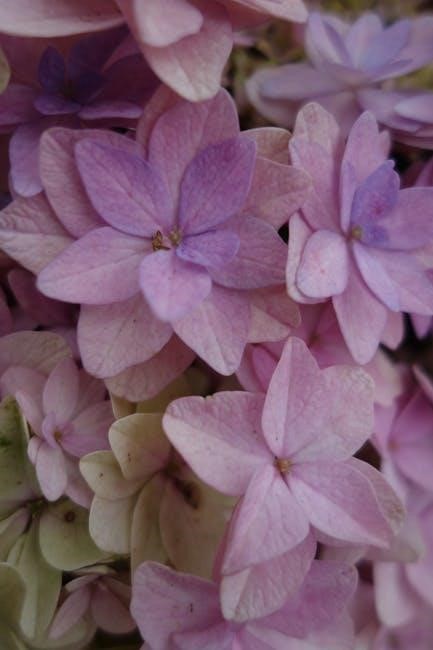
Peat Pots for Vining Crops
Utilizing peat pots offers a significant advantage when starting vining crops – okra, squash, cucumber, melons, and watermelons – intended for a Zone 8 garden. These biodegradable containers circumvent the challenges associated with transplanting, as the entire pot can be directly planted into the garden soil, eliminating root disturbance.
This is particularly beneficial for vining plants, which often struggle when their delicate root systems are disrupted. The peat pot decomposes naturally, enriching the soil while allowing the roots to grow freely. Ensure adequate moisture is maintained, as peat pots dry out more quickly than plastic containers. This method promotes healthier, more vigorous growth and earlier yields.
Summer Crops & Flower Companions
In Zone 8, integrating flowers with summer vegetable crops isn’t merely aesthetic; it’s a beneficial gardening practice. Companion planting enhances growth, deters pests, and attracts pollinators, boosting overall garden health. Consider planting marigolds near tomatoes to repel nematodes and other harmful insects. Nasturtiums act as a trap crop for aphids, protecting squash and cucumbers.
Brightly colored zinnias and sunflowers attract bees and butterflies, crucial for pollinating melons and watermelons. Basil, a culinary herb, also repels pests and improves tomato flavor. Strategic flower placement maximizes these benefits, creating a thriving ecosystem within your summer garden. Remember to research specific companion pairings for optimal results in your Zone 8 climate.
Resources for Zone 8 Planting Information (Updated 2025/2026)
Staying informed is key to successful Zone 8 flower gardening. Several online resources offer updated planting calendars and variety recommendations. Local agricultural extension offices provide tailored advice specific to your microclimate within Zone 8, considering local frost dates and soil conditions. University horticultural websites, frequently updated for 2025/2026, offer research-backed information on plant hardiness and bloom times.
Gardening forums and social media groups dedicated to Zone 8 gardening allow for community knowledge sharing and problem-solving. Reputable seed companies often feature planting guides on their websites. Remember to cross-reference information from multiple sources to ensure accuracy and adapt recommendations to your garden’s unique needs.