
The 6.7 Powerstroke with a manual transmission is a sought-after configuration, often achieved through dedicated swaps due to its initial limited availability.
Engine swap supply options now offer 2021 Ford 6.7 Powerstroke engines paired with a 10-speed transmission, catering to enthusiasts’ desires.
Overview of the 6.7L Powerstroke Engine
The 6.7L Powerstroke, introduced in 2011, represents a significant advancement in diesel engine technology for Ford Super Duty trucks. This engine boasts a robust design, featuring a cast iron block and cylinder heads, contributing to its durability and longevity.
Initially, it was primarily paired with an automatic transmission (the 6R140). However, the engine’s inherent strength and torque characteristics make it an excellent candidate for manual transmission conversions. Current engine swap options, like those from salesengineswapsupply.com, offer this engine with a 10-speed transmission, appealing to drivers seeking enhanced control.
The Rarity of a Manual Transmission Option
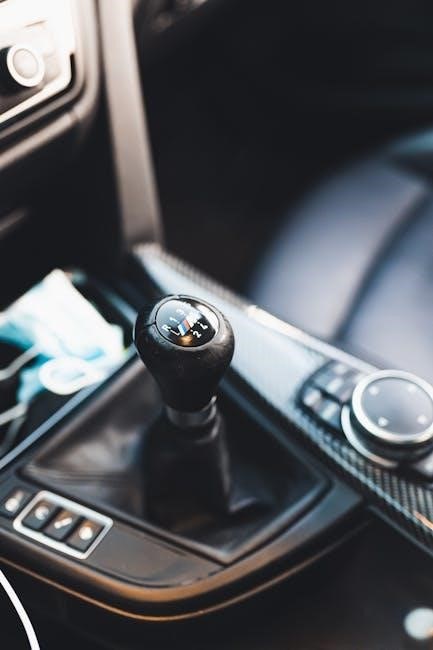
A factory-installed manual transmission in the 6.7L Powerstroke is exceptionally rare, making it a highly desirable feature among diesel truck enthusiasts. Ford discontinued offering a manual option in their Super Duty trucks before the 6.7L engine’s introduction, shifting focus towards automatic transmissions.
Consequently, acquiring a 6.7L Powerstroke with a manual transmission typically involves a dedicated swap. Companies like Custom Automatic Conversions facilitate this, offering conversions from the ZF6 to the Allison 1000PK. The Change.org petition demonstrates ongoing demand for a 10-speed manual option.
Historical Context: Manual Transmissions in Powerstroke Trucks
Powerstroke trucks initially offered manual transmissions, but availability diminished with each generation, leading to swaps for those desiring a manual experience.
Early Powerstroke Models and Manual Availability (7.3L)
The 7.3L Powerstroke era represented a time when manual transmissions were a viable factory option for truck buyers. Custom Automatic Conversions specializes in upgrades for these models, offering conversion kits.
Specifically, they cater to 1997-2003 Ford trucks, allowing owners to transition from the ZF6 manual transmission to the more robust Allison 1000PK. This upgrade path demonstrates a continued desire for manual control even as factory options dwindled in later Powerstroke generations.
The Shift Away from Manuals in the 6.0L and 6.4L Generations
The 6.0L and 6.4L Powerstroke generations marked a significant decline in manual transmission availability. Factory options largely disappeared, pushing enthusiasts towards aftermarket solutions like swaps to regain manual control.
Mars Auto Parts offers swap-ready pallets featuring the 6.7L Powerstroke paired with the 6R140 automatic transmission, highlighting the dominance of automatics during this period. This trend ultimately led to the rarity of manual 6.7 Powerstrokes.
Why Manuals Were Discontinued
The discontinuation of manual transmissions in Powerstroke trucks stemmed from shifting market demands and manufacturer focus. Automatics offered ease of use, appealing to a broader customer base, and facilitated advancements in transmission technology.
The rise of sophisticated automatic transmissions, like the 6R140 offered by Mars Auto Parts in swap kits, provided comparable or superior performance. This, coupled with declining manual transmission sales, led Ford to prioritize automatic options.
The 6.7 Powerstroke and Manual Transmission Swaps
Converting a 6.7 Powerstroke to a manual involves selecting transmissions like the ZF6 or Allison 1000PK, requiring significant modifications and expertise.
Engine swap suppliers now provide complete 6.7L Powerstroke and 10-speed transmission pallets for easier conversions.
Popular Manual Transmission Choices for Swaps
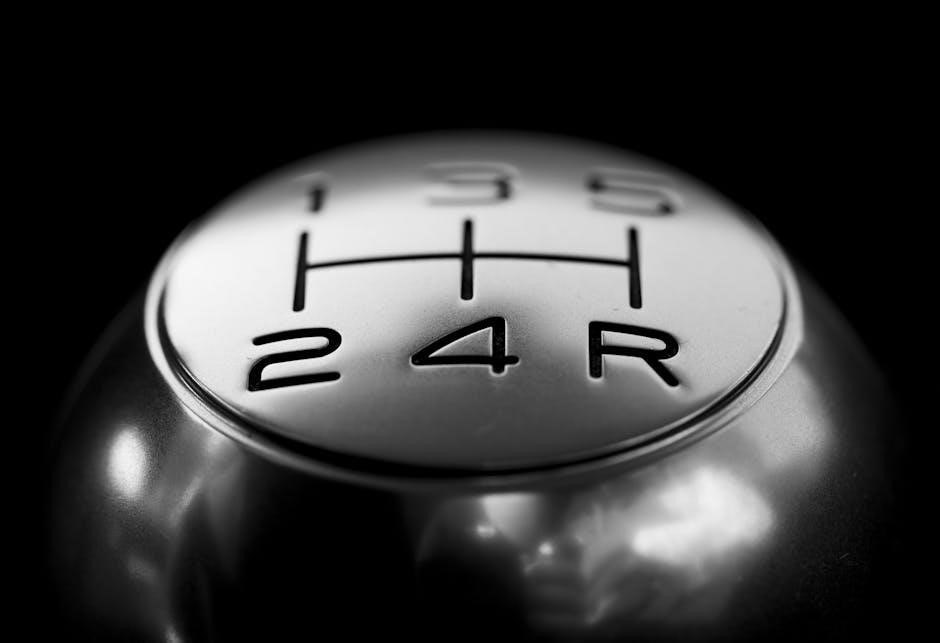
When undertaking a 6.7 Powerstroke manual swap, two transmissions consistently emerge as popular choices: the ZF6 speed and the Allison 1000PK. The ZF6, commonly found in older Powerstroke models, offers a robust and reliable shifting experience, appealing to those seeking a traditional manual feel.
Conversely, the Allison 1000PK provides a more modern and refined experience, often favored for its durability and smoother operation. Custom Automatic Conversions specializes in transitioning from the ZF6 to the Allison 1000PK, highlighting its performance benefits.
ZF6 Speed Transmission
The ZF6 speed transmission represents a classic manual option frequently utilized in 6.7 Powerstroke swaps, particularly for those upgrading from automatic systems. It’s notably featured in conversions for 1997-2003 Ford 7.3L Powerstroke 4×4 models, as offered by Custom Automatic Conversions.
This transmission is valued for its inherent robustness and straightforward mechanical design, making it a reliable choice. While not as modern as some alternatives, the ZF6 provides a direct and engaging driving experience for Powerstroke enthusiasts.
Allison 1000PK Transmission
The Allison 1000PK transmission is presented as a premium upgrade path for those seeking enhanced performance and durability in their 6.7 Powerstroke manual swaps. Custom Automatic Conversions highlights this transmission as a superior alternative to the ZF6, particularly for older 7.3L Powerstroke models.
Known for its strength and smooth shifting characteristics, the Allison 1000PK offers a more refined driving experience. It’s a popular choice for owners prioritizing reliability and capability in demanding applications.
Challenges of Performing a Manual Swap
Converting a 6;7 Powerstroke to a manual transmission presents significant hurdles beyond simply bolting in new components. Extensive ECU and wiring harness modifications are crucial to manage the engine and transmission communication effectively, requiring specialized knowledge.
Furthermore, adapting the pedal assembly and linkage demands fabrication and careful adjustment. Driveshaft modifications are almost always necessary to accommodate the change in transmission length, adding complexity and cost to the overall swap.
ECU and Wiring Harness Modifications
The 6.7 Powerstroke’s ECU requires substantial reprogramming during a manual swap to eliminate automatic transmission controls and integrate manual transmission functions. This often involves custom tuning or utilizing aftermarket modules to manage engine operation.
Wiring harness modifications are extensive, demanding careful integration of the new transmission’s sensors and actuators. Proper wiring is critical for reliable operation and avoiding error codes, often necessitating professional expertise.
Pedal Assembly and Linkage Changes
Converting a 6.7 Powerstroke to a manual transmission necessitates a complete pedal assembly overhaul, adding a clutch pedal where none previously existed. This requires fabrication or sourcing a compatible pedal assembly and mounting it securely.
Creating or adapting the linkage between the pedal and the transmission is crucial for smooth clutch engagement. Precise adjustments are vital for optimal performance and driver comfort, often requiring custom-bent rods and careful alignment.
Driveshaft Modifications
A manual transmission swap on a 6.7 Powerstroke almost invariably demands driveshaft adjustments or a complete replacement. The differing lengths between the original automatic transmission and the manual necessitate alterations to maintain proper driveline angles.
Ensuring correct driveshaft length prevents vibrations and premature wear on u-joints and the transmission itself. Custom driveshafts are often required, factoring in vehicle lift or suspension modifications for optimal fit and function.
Components Required for a 6.7 Powerstroke Manual Swap
Successful swaps demand a transmission, clutch kit, flywheel, bellhousing, and a compatible shifter assembly. Sourcing these parts is crucial for a functional conversion.
Transmission Itself
Choosing the right transmission is paramount for a 6.7 Powerstroke manual swap. Popular options include the robust ZF6 speed and the Allison 1000PK, each offering distinct advantages.
The ZF6, commonly found in older Powerstroke models, provides a durable and reliable experience. Conversely, the Allison 1000PK offers a more modern and potentially stronger solution.
Sourcing a low-mileage unit is highly recommended, ensuring longevity and minimizing potential issues post-installation. Careful consideration of gear ratios is also vital for optimal performance.
Clutch Kit
Selecting a high-quality clutch kit is crucial when converting a 6.7 Powerstroke to a manual transmission. The kit must be specifically designed to handle the engine’s substantial torque output.
Consider the intended use of the truck – heavy towing demands a heavy-duty clutch, while a daily driver can benefit from a more street-friendly option.
Ensure the kit includes a pressure plate, disc, throw-out bearing, and pilot bearing. Proper clutch installation is vital to avoid slippage or premature wear, impacting overall performance.
Flywheel
The flywheel is a critical component in a 6.7 Powerstroke manual swap, serving as the mounting point for the clutch and providing rotational mass for smooth engine operation. It must be compatible with both the engine and the chosen transmission.
Often, a custom flywheel is required, as factory flywheels are designed for automatic transmissions.
Consider the flywheel’s weight; a heavier flywheel can improve low-end torque, while a lighter one may enhance engine responsiveness. Ensure proper balancing to prevent vibrations and ensure longevity.
Bellhousing
The bellhousing securely connects the engine to the transmission in a 6.7 Powerstroke manual swap, requiring careful selection for compatibility. It must align the transmission with the engine crankshaft and provide a mounting point for the starter.
Often, a specific bellhousing is needed depending on the transmission chosen – ZF6 or Allison 1000PK.
Ensure the bellhousing is robust enough to handle the engine’s torque. Proper alignment is crucial to prevent vibrations and premature wear on the transmission input shaft.
Shifter Assembly
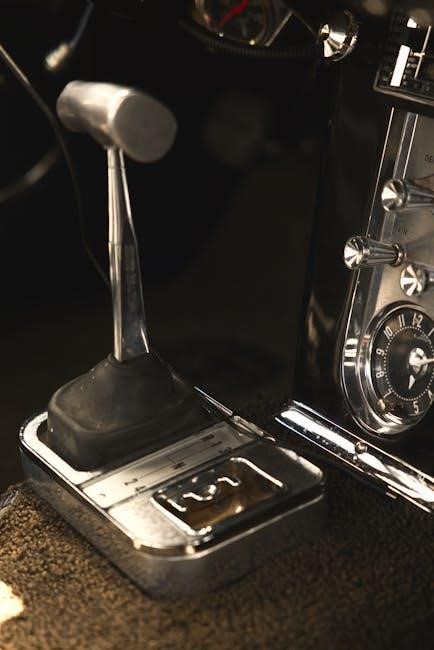
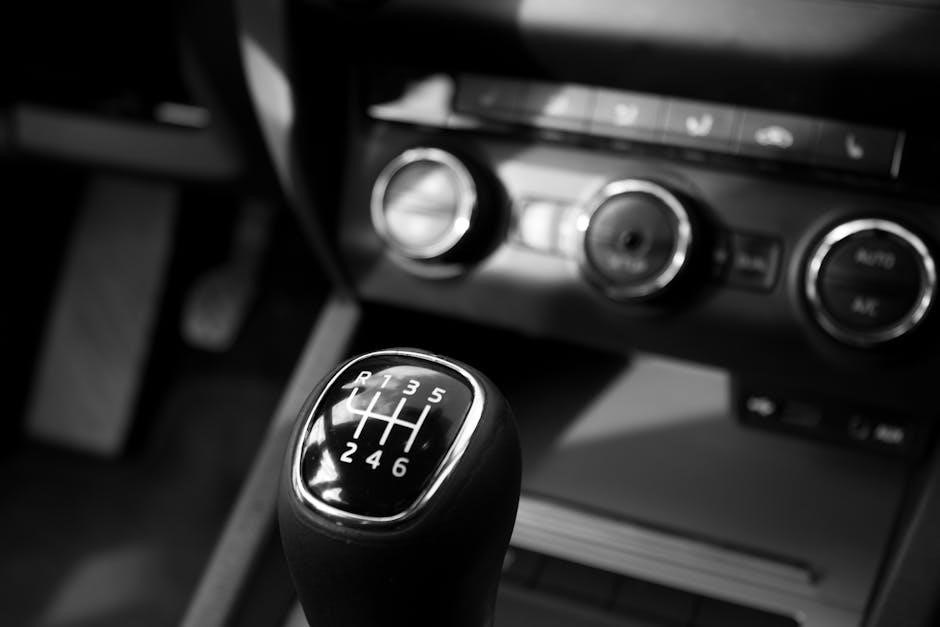
The shifter assembly is a critical component in a 6.7 Powerstroke manual swap, directly controlling gear selection. It requires careful consideration to ensure smooth and precise operation.
Choosing the right shifter depends on the transmission – ZF6 or Allison 1000PK – and desired feel.
Modifications to the floor pan and console may be necessary for proper installation. A short-throw shifter can enhance the driving experience, while a robust linkage is vital for reliability.
Cost Considerations for a Manual Swap
Manual swaps range widely in price, from $3,000 to $10,000+, depending on parts, labor, and unexpected issues. Pallet swaps can streamline costs.
Parts Costs
Estimating parts costs for a 6.7 Powerstroke manual swap requires careful consideration. A transmission itself, like a ZF6 or Allison 1000PK, can range from $1,500 to $4,000 depending on condition and source.
Essential components such as a clutch kit, flywheel, and bellhousing add another $800 to $2,000. A swap-ready pallet from suppliers like Mars Auto Parts, featuring a 6.7L engine and 6R140 transmission, can simplify sourcing, but typically costs more upfront.
Don’t forget the shifter assembly and potentially a new driveshaft, adding $300 to $800 to the total.
Labor Costs (if applicable)
Labor costs for a 6.7 Powerstroke manual swap can significantly impact the overall expense. If performed by a professional shop, expect rates between $100 to $150 per hour, with the swap potentially requiring 40 to 80 hours of work.
Complexities like ECU and wiring harness modifications, pedal assembly changes, and driveshaft adjustments contribute to increased labor time.
Professional installation shops specializing in these conversions offer expertise but come at a premium. DIY installation saves on labor but demands significant mechanical skill and time commitment.
Potential Unexpected Expenses
A 6.7 Powerstroke manual swap can reveal unforeseen costs beyond initial estimates. Damaged or corroded components during disassembly may require replacement, adding to parts expenses.
Unexpected wiring issues or ECU reprogramming challenges can necessitate professional assistance, increasing labor costs.
Driveshaft balancing or custom fabrication might be needed if off-the-shelf options don’t fit perfectly. Always budget an extra 10-15% for contingencies to cover these potential surprises during the conversion process.
Performance Implications of a Manual Transmission
A manual transmission offers increased driver control and potentially improved fuel economy in a 6.7 Powerstroke.
However, towing capacity may be impacted, requiring careful consideration of gear ratios and overall vehicle setup.
Increased Driver Control
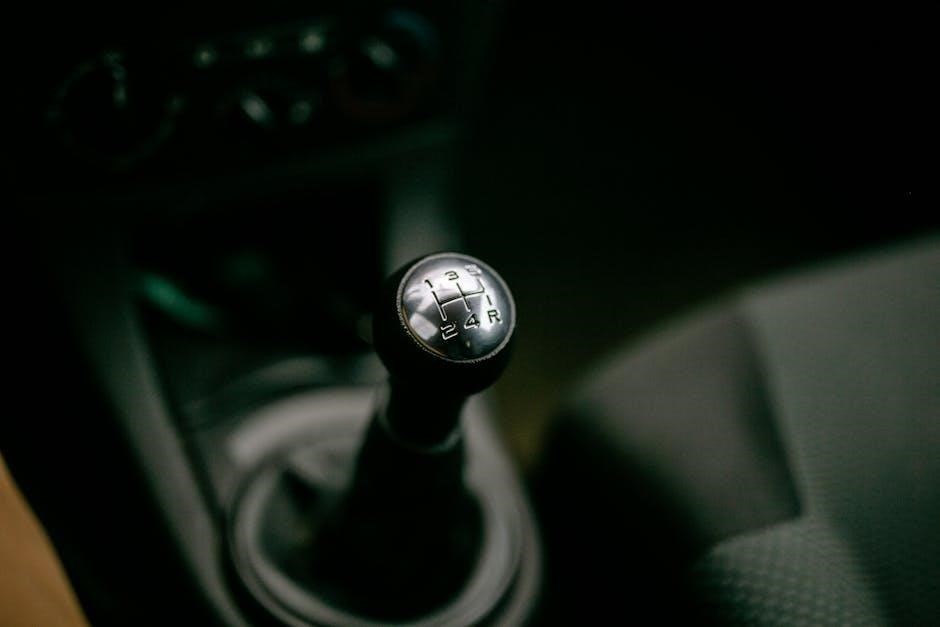
Switching to a manual transmission in a 6.7 Powerstroke fundamentally alters the driving experience, granting the operator significantly more control over gear selection and engine braking. This direct connection allows for precise adjustments based on terrain, load, and driving style, something automatic transmissions often lack.
Drivers can actively manage engine RPMs, optimizing power delivery for towing or maximizing fuel efficiency during cruising. The ability to downshift proactively provides enhanced control during descents and improved responsiveness when overtaking, fostering a more engaging and confident driving experience.
Potential for Improved Fuel Economy
A manual transmission swap in a 6.7 Powerstroke presents the possibility of enhanced fuel economy, though results vary based on driving habits and conditions. Skilled drivers can optimize gear selection to maintain the engine within its most efficient RPM range, reducing fuel consumption.
Unlike automatics with torque converters, manuals offer a direct mechanical link, minimizing power loss. Careful shifting and avoiding unnecessary revving can contribute to noticeable gains, particularly during highway driving, making it a compelling benefit for those prioritizing efficiency.
Impact on Towing Capacity
Converting a 6.7 Powerstroke to a manual transmission can subtly influence towing capacity, primarily due to the driver’s role in gear selection and clutch management during heavy loads. While the engine’s inherent power remains unchanged, consistent and optimal gear choices are crucial for safe towing.
Properly executed swaps, utilizing robust transmissions like the Allison 1000PK, can maintain or even slightly improve towing performance. However, inexperienced users might inadvertently reduce capacity through improper shifting, highlighting the importance of driver skill.
Legal and Registration Considerations
Manual swaps require verifying emissions compliance and adhering to vehicle inspection rules, potentially necessitating updates to the vehicle’s title and registration documentation.
Emissions Compliance
Ensuring emissions compliance post-manual swap is crucial, varying significantly by state and local regulations. Modifications to the engine or its control systems during the swap process must adhere to established standards.
Carefully review your local Department of Motor Vehicles (DMV) guidelines regarding aftermarket modifications and emissions testing. Some areas may require re-certification or inspection to confirm the vehicle still meets required levels.
Failure to comply can result in fines, failed inspections, or even the inability to legally operate the vehicle on public roads. Thorough research and documentation are essential.
Vehicle Inspection Requirements
Post-manual swap, rigorous vehicle inspections are often mandated to verify roadworthiness and safety. These inspections typically cover critical components affected by the transmission change, including the clutch, flywheel, and driveshaft.
Inspectors will assess proper functionality, secure mounting, and the absence of leaks or damage. Modifications to the pedal assembly and linkage must also meet safety standards.
Be prepared to demonstrate that all work was performed correctly and adheres to applicable regulations. Documentation of parts used and installation procedures can be beneficial during the inspection process.
Title and Registration Updates
Following a manual transmission swap in your 6.7 Powerstroke, updating your vehicle’s title and registration is crucial for legal compliance. Depending on your state’s regulations, the modification may necessitate a vehicle identification number (VIN) inspection.
This inspection verifies the changes made and ensures accurate record-keeping. You’ll likely need to submit documentation detailing the swap, including receipts for parts and labor.
Contact your local Department of Motor Vehicles (DMV) to understand specific requirements and forms needed for a successful title and registration update.
Resources for Manual Swap Information
Online forums and suppliers like Mars Auto Parts and Custom Automatic Conversions offer invaluable support and parts for your 6.7 Powerstroke manual swap.
Online Forums and Communities
Dedicated online forums are crucial resources for 6.7 Powerstroke manual swap enthusiasts, providing a platform to share experiences, troubleshooting tips, and build lists.
These communities often host detailed build threads, covering everything from ECU modifications to driveshaft adjustments, offering guidance for DIYers.
Members frequently discuss parts sourcing, recommended suppliers, and potential pitfalls, accelerating the learning curve and preventing costly mistakes during the conversion process.
Specialty Parts Suppliers (e.g., Mars Auto Parts, Custom Automatic Conversions)
Mars Auto Parts offers “Swap Ready” turnkey pallets featuring a 6.7L Powerstroke and 6R140 transmission, rated at 390HP and 735 lb-ft of torque, simplifying the engine swap process.
Custom Automatic Conversions specializes in transmission conversion kits, expertly tailored for the 7.3L Powerstroke, facilitating upgrades from the ZF6 to the Allison 1000PK.
These suppliers provide essential components and expertise, streamlining the manual swap and ensuring compatibility, saving time and reducing the complexity of the build.
Professional Installation Shops
Successfully completing a 6.7 Powerstroke manual swap often necessitates specialized skills, making professional installation shops invaluable resources for owners lacking extensive mechanical experience.
These shops possess the expertise to handle complex ECU and wiring harness modifications, ensuring seamless integration of the manual transmission system.
They also expertly manage pedal assembly adjustments, driveshaft alterations, and thorough testing, guaranteeing a reliable and properly functioning manual conversion.
The 10-Speed Manual Petition
A Change.org petition actively advocates for a 10-speed manual transmission option in the new Ford 6.7L Powerstroke, demonstrating strong enthusiast demand.
Background of the Change.org Petition
The petition, launched on Change.org, directly requests Ford Motor Company to consider offering a 10-speed manual transmission option for the 6.7L Powerstroke engine.
Initiated in 2020, it reflects a significant desire within the diesel truck community for greater driver engagement and control.
The petition gained traction as enthusiasts expressed dissatisfaction with the automatic-only configuration, highlighting the appeal of a manual option for performance and customization.
Demand for a 10-Speed Manual Option
Enthusiasts are specifically requesting a 10-speed manual transmission, recognizing its potential to enhance the driving experience of the 6.7L Powerstroke.
This demand stems from a desire for increased control over gear selection, improved fuel efficiency, and a more connected feel behind the wheel.
The availability of 2021 Powerstroke engines with the 10-speed transmission through suppliers fuels this demand, demonstrating its feasibility.
Engine Swap Supply Options
Suppliers like Engine Swap Supply offer 2021 Ford 6.7 Powerstroke engines paired with a 10-speed transmission, catering to swap projects.
These options provide a readily available powertrain for those seeking a modern manual setup in their Powerstroke.
Availability of 2021 Ford 6.7 Powerstroke with 10-Speed Transmission
Currently, obtaining a 2021 Ford 6.7 Powerstroke engine already paired with the desirable 10-speed transmission is possible through specialized suppliers. Engine Swap Supply, reachable at 866-59SWAPS (79277) or salesengineswapsupply.com, actively sources these units.
These engines typically come with low mileage and represent a significant advantage for those undertaking a manual transmission conversion. Joining their email list ensures you receive updates on availability and exclusive offers, as demand often exceeds supply.
Considerations for Engine Swap Pallets
Mars Auto Parts offers “Swap Ready Turnkey” pallets featuring a Ford Powerstroke 6.7L and 6R140 transmission, sourced from 2011-2016 Ford F-Series trucks with under 200,000 miles. These pallets deliver 390 horsepower and 735 lb-ft of torque.
When evaluating these options, confirm the pallet’s completeness and compatibility with your specific vehicle. Consider if additional components, beyond those included, are needed for a seamless integration into your project.
Common Issues and Troubleshooting
Potential problems with swapped manual transmissions include clutch malfunctions, shifter difficulties, and unusual noises emanating from the transmission itself.
Careful diagnosis and component inspection are crucial for resolving these issues and ensuring optimal performance.
Clutch Problems
Clutch issues are frequently encountered after a 6.7 Powerstroke manual swap, manifesting as slipping, difficulty engaging gears, or a spongy pedal feel.
These problems can stem from improper clutch adjustment, a failing master or slave cylinder, or a worn-out clutch disc and pressure plate.
Thoroughly inspect the hydraulic system for leaks and ensure correct bleeding.
If the issue persists, replacing the entire clutch kit is often necessary to restore reliable operation and prevent further damage.
Shifter Issues
Following a 6.7 Powerstroke manual transmission swap, shifter problems can arise, including imprecise shifting, difficulty finding gears, or a loose shifter feel.
These issues often relate to incorrect shifter linkage adjustment or worn components within the shifter assembly itself.
Carefully check all linkage connections and ensure proper alignment.
Consider upgrading to a more robust shifter assembly for improved feel and durability, especially with the increased power of the 6.7L engine.
Transmission Noise
Post-swap, unusual noises from the manual transmission in a 6.7 Powerstroke can indicate several issues.
Whining sounds might suggest low transmission fluid or worn bearings, while clunking noises could point to damaged gears or synchronizers.
Regularly check and maintain proper fluid levels using the manufacturer’s recommended fluid type.
Investigate any persistent noises promptly to prevent further damage and costly repairs, potentially requiring a transmission rebuild or replacement.
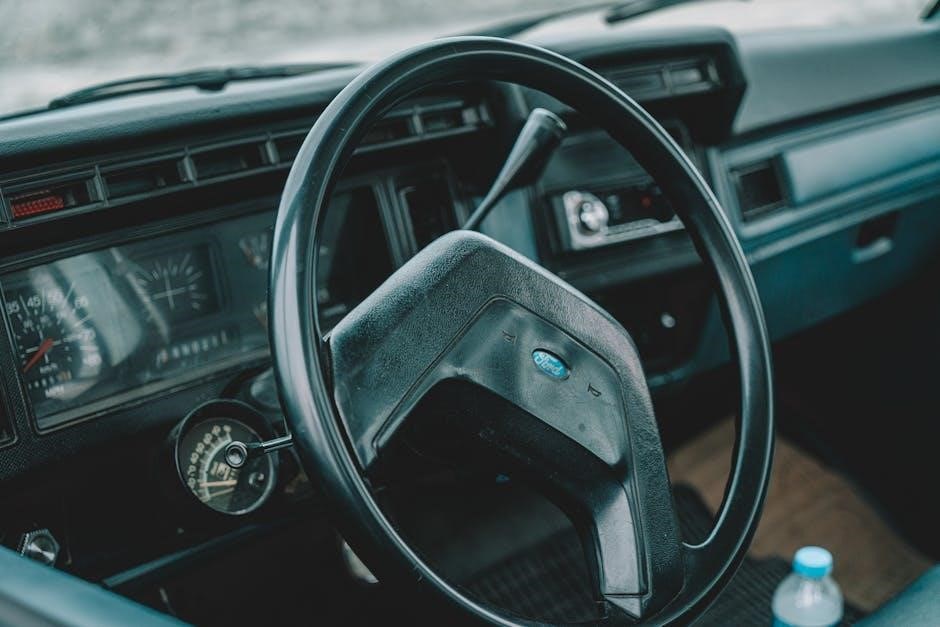
Future of Manual Transmissions in Diesel Trucks
Despite a current lack of factory options, the Change.org petition demonstrates ongoing demand for a 10-speed manual in the 6.7 Powerstroke.
Industry Trends
The automotive industry is witnessing a complex shift regarding manual transmissions, particularly in the heavy-duty diesel truck segment. While overall manual transmission sales decline across passenger vehicles, a dedicated enthusiast base continues to champion their availability in trucks like the Powerstroke.
This demand is fueled by a desire for greater driver control and a more engaging driving experience. The petition for a 10-speed manual in the 6.7 Powerstroke exemplifies this, indicating a willingness among consumers to actively pursue this option. However, manufacturers prioritize automatic transmissions due to perceived market preferences and ease of use.
Potential for Factory-Installed Manual Options
Currently, Ford does not offer a factory-installed manual transmission option for the 6.7 Powerstroke. However, the persistent demand, evidenced by the Change.org petition, suggests a potential, albeit unlikely, shift in manufacturer strategy.
The feasibility hinges on demonstrating sufficient market interest to justify the engineering and production costs. While engine swap supply options provide a workaround, a factory option would offer warranty coverage and seamless integration, appealing to a broader customer base.